The Most Powerful Treatment at Niramayam Isn't a Therapy
It isn't Panchakarma. It isn't Abhyanga. The most powerful part of authentic Ayurveda in Kerala is quieter than any of that — and it changes how every therapy afterwards works.

Most guests arrive expecting the therapies to do the work.
They have read about Panchakarma. They know the names — Abhyanga, Shirodhara, Pizhichil, Kizhi. They arrive with a small, understandable hope that this ancient warm oil, in these skilled hands, will lift something out of them that they have been carrying for a long time.
The therapies do a great deal. But the truest thing we can say, after two centuries of doing this work in the same family, is that the therapies are not the most powerful thing that happens here.
What is actually the most powerful part
It is quieter than a therapy. Quieter than a treatment room. Quieter, even, than the medicine.
It is this: for the first time in a very long time, the body finally feels safe.
Safe enough to sleep deeply. Safe enough to be hungry at mealtimes. Safe enough to breathe all the way to the bottom of the lungs. Safe enough to stop bracing.
A body that does not feel safe will resist every therapy you give it. A body that does feel safe will respond to the smallest, oldest treatments with something close to gratitude. That is the quiet secret of authentic Ayurveda in Kerala. The therapies are ancient. But their power depends on a nervous system that has finally been given permission to soften.
How safety is built, hour by hour
It is not built with anything dramatic. It is built with rhythm. With being met, on arrival, by someone who is not in a hurry. With a room that smells faintly of sandalwood and rain. With food that arrives warm, at the same hour each day, and does not ask anything of you.
It is built by having, for a stretch of days, no decisions. Someone else has already chosen what you will eat. Someone has already decided which therapy comes today, and which comes tomorrow. All you have to do is show up. For anyone who has spent years being responsible for everything, this is not a small thing. It is medicine of a very particular kind.
It is built by being heard. Our physicians will sit with you for an hour if that is what your body needs. Not because there is time to fill, but because a diagnosis in Ayurveda is not something a machine can print. It is something a careful person listens for.
"The therapies do not force the body open. They wait, gently, for it to unclench on its own."
The rhythm that heals
The day at Niramayam has a shape. It is not a schedule. It is closer to a piece of music. Yoga at sunrise. A meal. A therapy. A rest. A walk in the garden. A meal. A therapy. A book on the verandah. Another meal, earlier than you are used to. Sleep at an hour that respects the darkness. The next day, the same shape, in a slightly different key.
This is how healing has always happened in traditional Ayurveda — not through intensity, but through repetition. The rhythm is the treatment. The therapies are the punctuation.
Panchakarma treatment, done properly, is not a spa itinerary. It is a sequenced medical process, worked out over centuries, that only becomes its full self when the guest is calm enough for it to work. That calm is not incidental. It is the first act of every real healing.
Wellness in Kerala, without the theatre
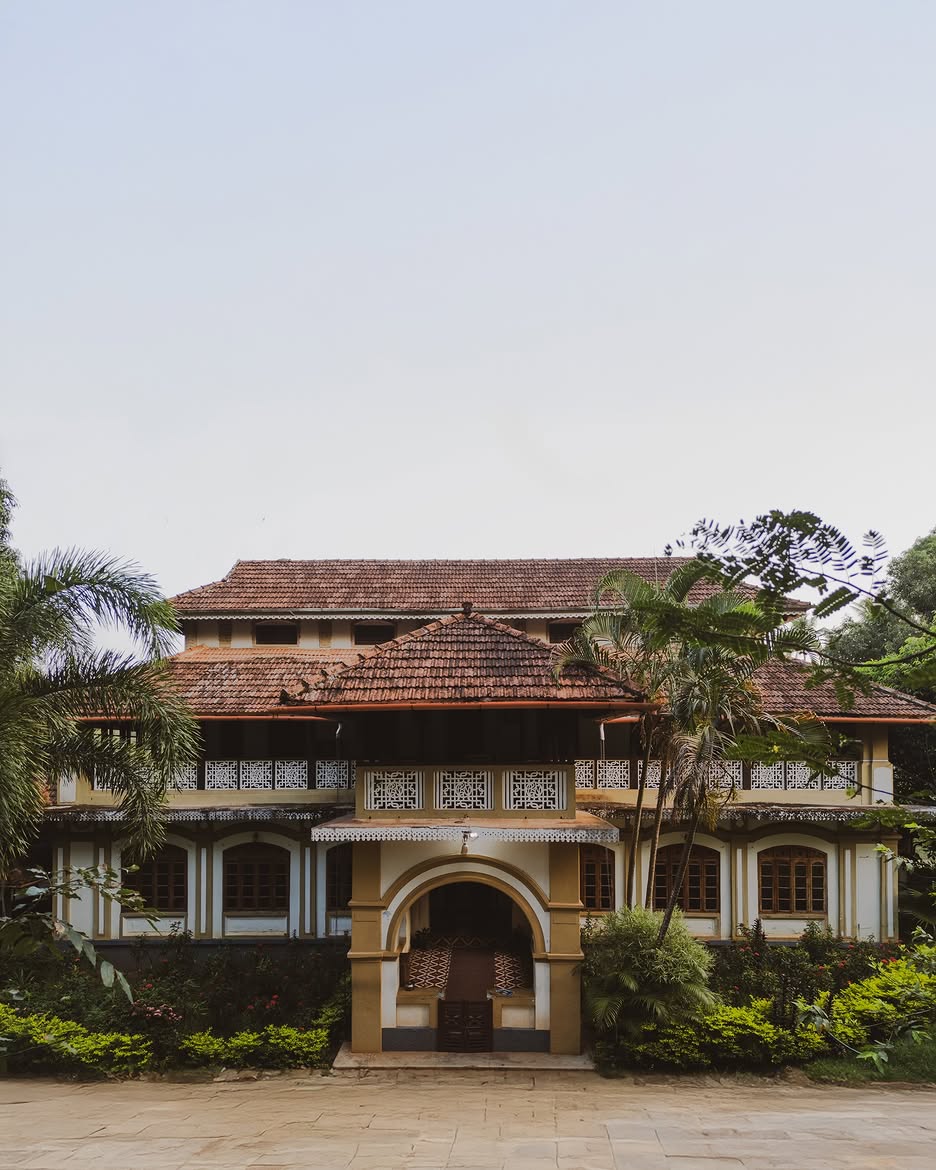
Wellness has become a loud word. There are places that will hand you a schedule so full there is no room in it to actually be well. That is not what we are trying to be. Niramayam is a heritage Ayurveda hospital, first, in a family home, second. There is nothing here that is not medical, and there is nothing here that is not human.
The building is old. The lamps are old. The recipes are old. The lineage is old. What is new is you — the specific person, arriving on this specific week of your life, with a specific tiredness we have not seen before. Everything else is here to make room for that.
What restoration actually looks like
It looks like sleeping through the night without knowing why. It looks like tasting a meal for the first time in months. It looks like a conversation with a physician that leaves you lighter, not heavier. It looks like being able to sit for ten minutes on a verandah, watching rain, without reaching for a phone.
None of this can be manufactured. It can only be allowed. Our job is to build the kind of days in which a body finally allows it. Once that has happened, the therapies do what they were always meant to do. Not chase symptoms, but restore balance. Not force change, but permit it.
That is why guests, at the end of a stay, often say the same thing in slightly different words: I did not know I was allowed to feel this quiet. That quiet is not a side effect of the treatment. It is the treatment.
The therapies behind this writing
Continue reading
- Planning Your Stay · 7 min read
Before You Arrive: Preparing for Ayurvedic Treatment in Kerala
Before the suitcase comes the conversation. A practical, unhurried guide to preparing for a physician-led Ayurveda stay — with the questions, records and expectations that matter most.
- Ayurveda · 9 min read
Your Body Has Been Whispering. Have You Been Listening?
Fatigue, restless sleep, an ache that comes and goes. The body speaks long before it breaks. This is an essay on listening — and on the kind of Ayurveda consultation that begins with a question, not a prescription.